
Engineering the Summer: A real-world eye on materials
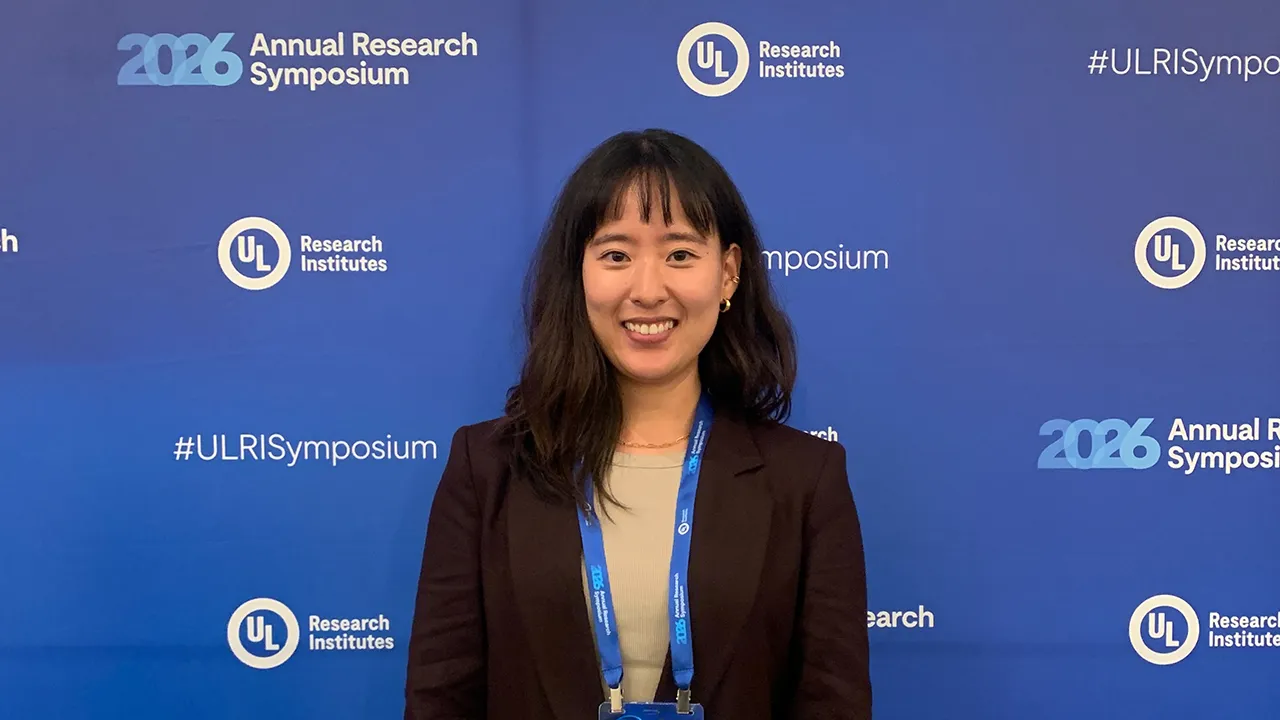
University of Chicago Pritzker School of Molecular Engineering's Suin Choi, a PhD student in the Liu Group, is spending the summer interning at UL Research Insititutes.
Engineering the Summer is an annual series following UChicago Pritzker School of Molecular Engineering students as they embark on summer internships and career experiences.
Suin Choi is excited.
The UChicago Pritzker School of Molecular Engineering Institute for Materials and Sustainability PhD student has always been enthusiastic about her research, finding new electrochemical ways to recover critical metals from waste streams. But a summer internship at UL Research Institutes reinvigorated her love for the work.
“Seeing the challenges from an industry perspective has helped me better understand what the real problems and key bottlenecks are,” said Choi, a researcher in Assoc. Prof. Chong Liu’s group. “I’m excited to bring these insights back to my PhD research and think more deeply about how my work can address some of these real-world challenges.”
Choi shared her experience for UChicago PME’s Engineering the Summer series:
This interview has been edited for length and clarity.
What has been your experience so far this summer at your internship?
Throughout my internship, I’ve been learning how to approach research in an industry setting, especially at a nonprofit research institute. One of my main responsibilities has been helping shape and define a new research project, which has given me a chance to think about how the goals of research can differ across academia, industry, and non-profit organizations, and how those differences shape the way we approach research. I’ve also learned how important communication is when working with people toward a shared goal. Overall, this experience has helped me see research from a different perspective and better understand what it means to work as part of a team toward solving a real-world problem.
How does your internship connect with your field of study at UChicago PME?
My PhD work focuses on electrochemical lithium extraction—specifically, how to selectively capture lithium ions from brines in the presence of other competing ions using electrochemical methods. My internship project connects to this research but takes a broader perspective on metal reclamation: how we can recover critical metals from waste streams. Throughout this internship, I’ve gained a much broader view of the metal extraction field and, importantly, learned more about the industry and its supply chain.
What impact do you think your field will have on the world in the next 10 to 20 years?
As the world transitions from fossil fuels to renewable energy, securing a reliable supply of critical metals will become increasingly important. Some elements, such as lithium and rare earth elements, already face supply risks because of limited resources and the challenges of developing separation technologies that can economically access lower-grade resources. These metals are essential for many clean energy technologies, including batteries and wind turbines, so finding more sustainable and reliable ways to extract and recover them will be an important part of the clean energy transition.
What role do you hope to play in that vision of the future?
I hope to contribute my research to making a real-world impact, with a particular focus on sustainability. I want to develop separation technologies that can selectively and efficiently recover critical metals, but I also think it is important to consider the environmental impact of the extraction process itself. Current mining and separation technologies generate large amounts of chemical waste, so I hope my research can contribute to approaches that not only recover these valuable resources effectively but also minimize their environmental footprint.
What else would you like people reading this to know?
I would highly recommend doing an internship during your PhD if you have the opportunity. I’ve gained so many new insights from this experience, and honestly, I’ve also found a new sense of motivation and excitement for my research. An internship can be a great way to step outside the academic environment and see your research from a different perspective.
For me, the internship has been much more than another line on my CV. It has been a valuable opportunity to learn more about the field, understand what kinds of problems I want to work on, and get to know myself better as a researcher and as I think about my future career.
Related News
-
To design better energy devices, researchers investigate membranes
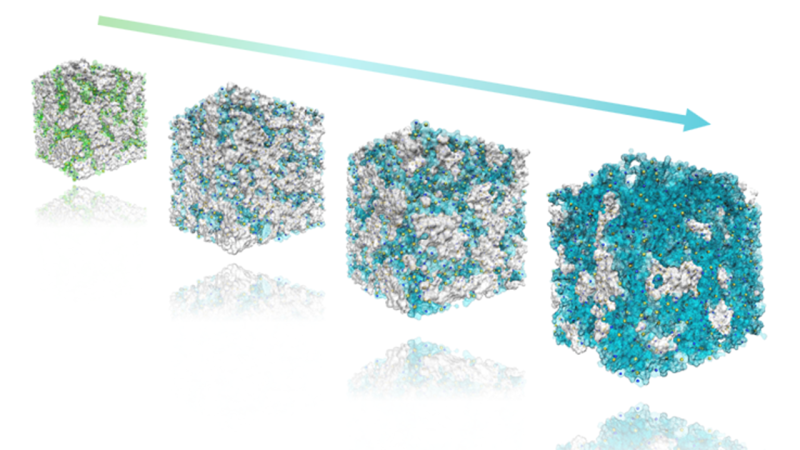
July 27, 2026A research team at the University of Chicago and NYU used experiments and molecular simulations to better understand how polymer backbone design affects the performance of ion-exchange membranes. -
Remotely operated, robotic lab receives $20 million National Science Foundation grant
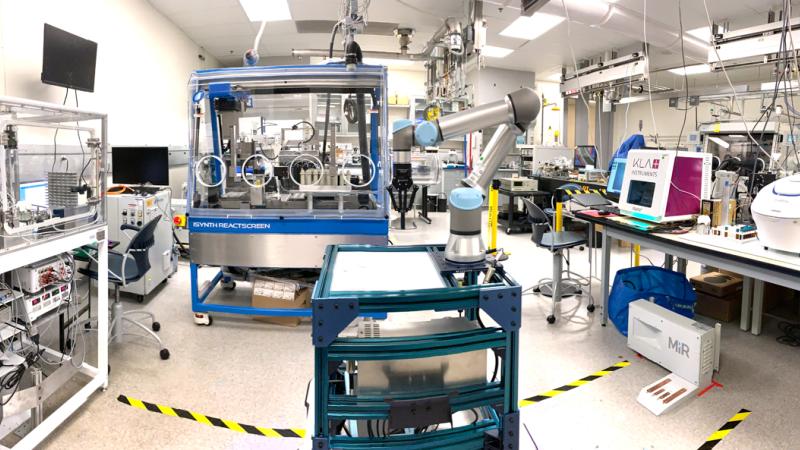
July 22, 2026Tomorrow’s clean energy, advanced manufacturing, healthcare, and national defense rely on developing novel, next-generation soft materials – things like liquids, polymers, gels, colloids, foams, and... -
A cleaner route to purifying rare earth elements
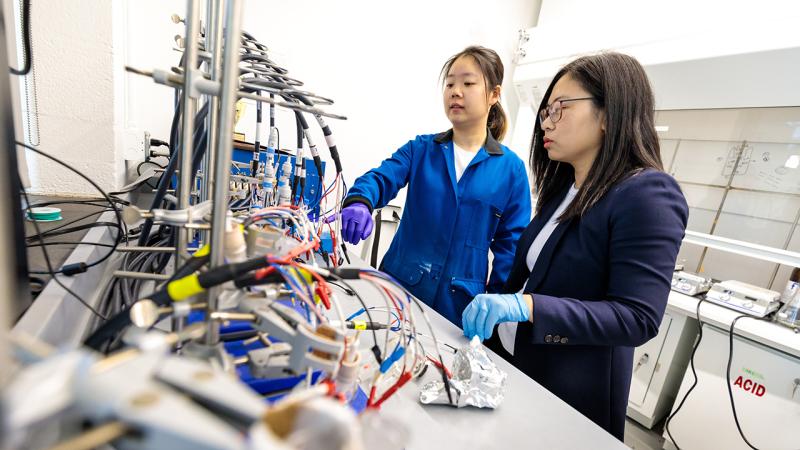
July 21, 2026Rare earth elements like lanthanum, neodymium, and dysprosium are used to build the electric motor in your car, the LED lights in your house, and the MRI machine at your doctor’s office. But first...