
Engineering the Summer: Building interdisciplinary expertise
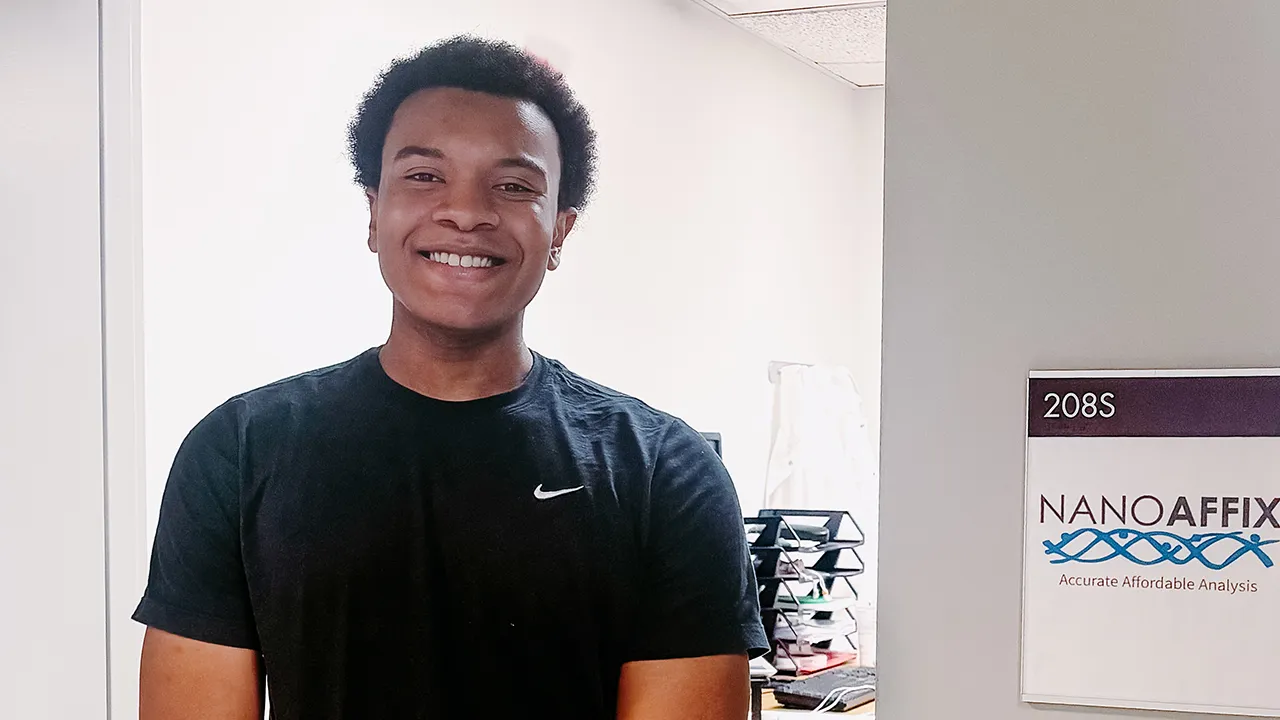
Although he is studying quantum engineering, University of Chicago undergraduate Julius Vatel is spending the summer as an intern helping ensure clean water through startup NanoAffix Science LLC, highlighting UChicago's interdisciplinary approach to engineering.
Engineering the Summer is an annual series following UChicago Pritzker School of Molecular Engineering students as they embark on summer internships and career experiences.
While many researchers talk about interdisciplinary research, University of Chicago Molecular Engineering major Julius Vatel is spending the summer living it.
Although he is studying quantum engineering, he is participating in a summer internship traditionally considered more part of the materials world, working on real-time lead detection sensors for NanoAffix Science LLC.
The startup, founded by UChicago Pritzker School of Molecular Engineering Prof. Junhong Chen, who is also Lead Water Strategist at Argonne National Laboratory, is creating portable sensors to detect lead and other contaminants in drinking water.
But whether working with qubits or drinking water, Vatel said the missions of engineering remain the same: improving human life and advancing human creativity.
“This, from my perspective, is the true beauty of engineering; designing technology that defies expectations in environments once thought to be the limiting factors of our creativity,” Vatel said.
Vatel shared his experience for UChicago PME’s Engineering the Summer series:
This interview has been edited for length and clarity.
What has been your experience so far this summer at your internship?
Working at NanoAffix this summer has been an incredibly rewarding experience. Utilizing many of the concepts I came to love during my time at UChicago in an applied laboratory setting feels like a tremendous weight has been lifted off from my shoulders. Conducting research, to me, represents the perfect outlet for creativity and I cherish the opportunity to let my mind run wild with ideas.
How does your internship connect with your field of study at UChicago PME?
As a student on the quantum engineering track, my time at NanoAffix has given me crucial insight into the engineering design process in a field as sensitive and spontaneous as this one. Designing sensors particularly that harness the unique properties of novel materials and to do so reliably and effectively is a significant challenge and I believe my education as a molecular engineering student at UChicago has prepared me to tackle these challenges head on.
What impact do you think the work you're doing at your internship will have on the world in the next 10 to 20 years?
I believe the research in chemical sensing, particularly with novel materials such as graphene, will significantly impact many fields in engineering and the physical sciences. Sensors that can effectively leverage the extreme sensitivity of graphene have the potential to revolutionize our understanding of various chemical systems, both organic and inorganic, whilst expanding our control over such systems within the engineering design process. Most importantly, as the manufacturing procedures for graphene-based sensing platforms develop, high accuracy sensing will become more accessible than ever before.
As a quantum engineering student, however, I see a future where such novel sensing platforms will continue to improve the coherence and control over systems as fragile as quantum computing, whether that be an improvement to the isolation of quantum systems or in our ability to reliably read quantum states across a wider variety of operating conditions.
Related News
-
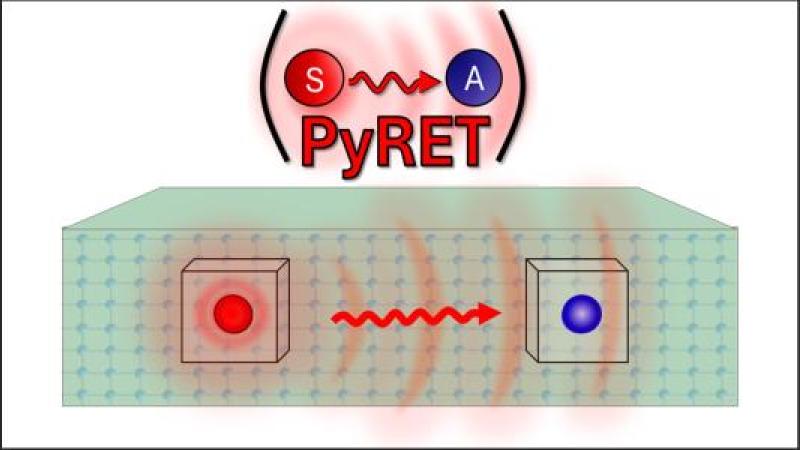
New open-source software predicts energy transfer between tiny defects in solid materials
July 30, 2026The performance of many next-generation devices depends on controlling how energy flows at extremely small scales. In the field of microelectronics — where devices continue to shrink and new materials... -

UChicago PME’s Institute for Materials and Sustainability Names Matthew Tirrell as Director
July 30, 2026Founding dean takes on new leadership role. -
Engineering the Summer: A real-world eye on materials
July 29, 2026Engineering the Summer is an annual series following UChicago Pritzker School of Molecular Engineering students as they embark on summer internships and career experiences. Suin Choi is excited. The...