From the pandemic, an inspiration to study immunoengineering
PhD student Trevor Ung is working to make vaccines last longer by giving them a new target
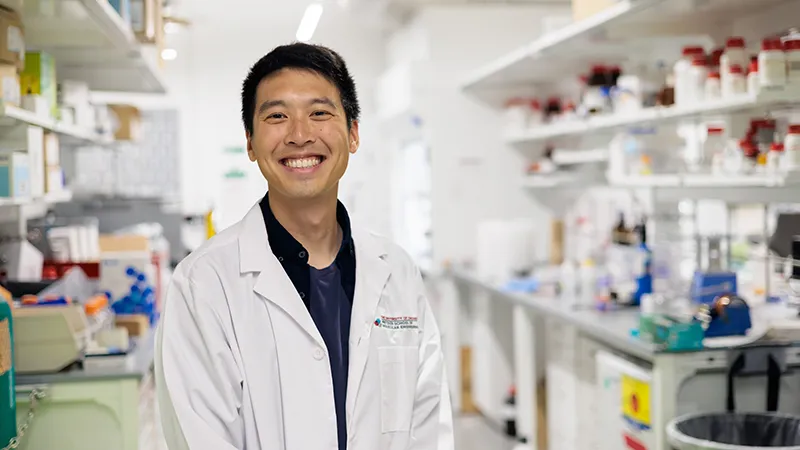
PhD student Trevor Ung is Ung is working to develop vaccines that provide longer-lasting immunity. (Photo by John Zich)
During the COVID-19 pandemic, Trevor Ung saw an opportunity.
As a biomedical engineering undergraduate at the University of Toronto, he had spent a year conducting research in a lab at Brigham and Women’s Hospital in Boston. There, he had worked on biomaterials for drug delivery, and was inspired by the lab’s work of tackling smaller problems that could one day lead to a big solution.
But when he graduated in 2020, the world had shut down because of the pandemic. As he looked for PhD programs, he found the University of Chicago Pritzker School of Molecular Engineering (UChicago PME), where many faculty members are focused specifically on immunoengineering and bioengineering.
“I was very interested in immunity, especially in the time of COVID,” Ung said. “It was a great chance to work in a very specialized area of biomedical engineering.”
People are generally very willing to be collaborative and helpful here. You can always find someone to teach you what you need to know.
PhD student Trevor Ung
As a PhD student at UChicago PME, Ung is advised by two professors: Prof. Melody Swartz, an expert in how the lymphatic system regulates immunity, and Prof. Aaron Esser-Kahn, an expert in improving immune responses in vaccines.
For his research, Ung is working to develop vaccines that provide longer-lasting immunity. Swartz’s lab has found that interactions between immune cells and lymphatic cells within the body give those immune cells a longer memory against pathogens.
Ung is working to modify vaccines to target the lymphatic system, with the hope that these lymphatic cells will instruct immune cells to extend the protection of vaccines. While he has shown that such a vaccine can end up in these lymphatic cells, he and his collaborators must still show that it increases the duration of protection against infections.
“You come in bright-eyed and think everything’s going to work in a couple of years,” Ung said. “But the reality is there are lots of twists and turns, and you need to ask a lot of people for help.” But within both labs, Ung has found mentors among his advisers and fellow students. And when the knowledge he needed lay outside of UChicago PME, he found willing teachers within other departments, including chemistry and biological sciences.
“People are generally very willing to be collaborative and helpful here,” he said. “You can always find someone to teach you what you need to know. That makes it a great place to study the emerging field of immunoengineering. As the field develops, everyone here has the same goal of pushing it forward. Everyone is willing to help out to get there.”
In his free time, Ung enjoys playing ultimate frisbee on campus, where he can have “a wholesome outlet and a source of support from people who aren’t just talking about science all the time.”
After his PhD, Ung hopes to join the biotech industry to use what he has learned about modifying vaccines and apply it to specific use cases. “I want to take the basic science and apply it to a real disease that will help patients,” he said.
Related News
-
Where the micro-scale meets the macro-scale at UChicago
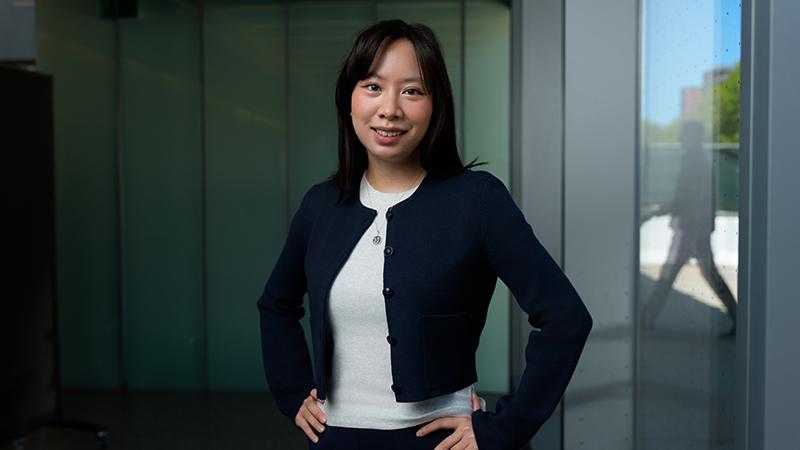
October 15, 2026Master’s student Mel Zhou uses microfluidic platforms to learn how individual patients might respond to different therapies -
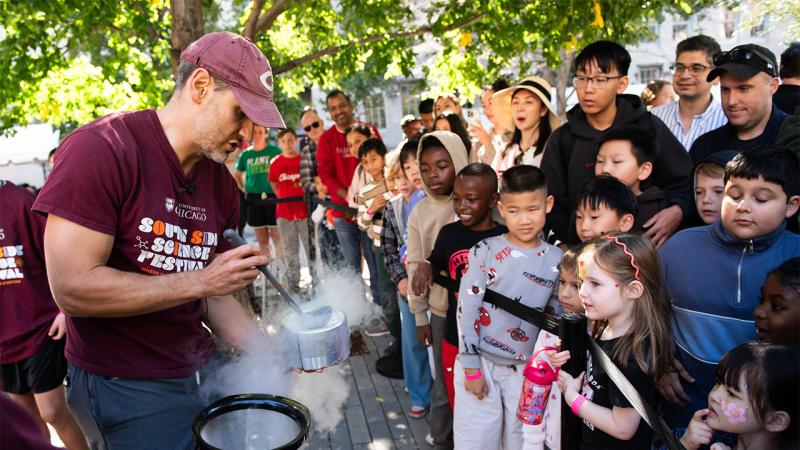
Learning is a blast – and a bang – at the South Side Science Festival
October 08, 2026Dancing robots, mutant Legos and rocks that rock mark the fifth annual UChicago STEM community outreach event. -
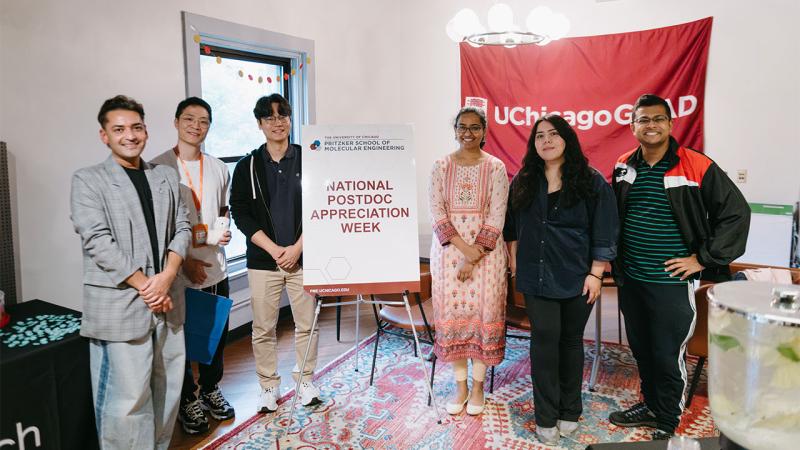
Postdocs help power discovery at UChicago PME
October 01, 20262026 National Postdoc Appreciation Week honors postdocs, marks 150th anniversary of the first postdoctoral researcher in the U.S.